

Visitor Management System Trends You Cannot Ignore in 2025
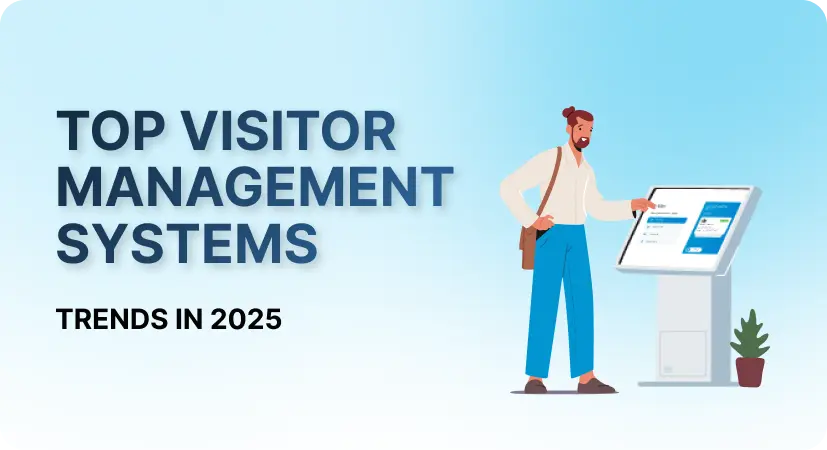
Posted 10 June
8 min read
Key Takeaways:
- Starting from corporate offices and educational institutions to co-working spaces and government buildings, organizations are changing the way they handle guests.
- A smart VMS harnesses smart technology to improve personalization. It allows businesses to deliver seamless and branded check-in experiences.
- The visitor management system has a mobile-friendly design and no-touch check-in features, helping businesses to future-proof their workplaces and deliver safe, modern visitor flows.
- A digital VMS also integrates with parking spaces to offer a seamless arrival experience.
- It can be paired with AI video surveillance to form a proactive layer; it is not just record keeping. VMS, when integrated with an advanced AI surveillance system, helps businesses to take preemptive action, providing complete visibility across various visitor zones.
A New Era of Visitor Management System Begins in 2025
In today’s fast-evolving digital landscape, visitor management systems (VMS) are no longer a “nice-to-have” — they’re a critical component of workplace efficiency, security, and compliance. From corporate offices and educational institutions to co-working spaces and government buildings, organizations are reimagining how they welcome and manage guests.
As we step into 2025, the visitor experience is transforming at an unprecedented pace. Thanks to AI, contactless tech, and heightened security demands, VMS platforms are not only keeping up but actively reshaping how organizations engage with visitors.
In this blog, we explore the top visitor management system trends to watch in 2025 — and how Convex vZit, the intelligent VMS solution by ConvexSol, aligns with the future of workplace automation.
1. AI-Powered Personalization: From Generic Check-ins to Smart Experiences
Artificial Intelligence (AI) continues to revolutionize how businesses interact with people — and VMS is no exception. In 2025, AI will play a pivotal role in delivering personalized visitor experiences.
Smart VMS platforms will:
- Recognize repeat visitors using facial recognition or biometric data.
- Offer tailored greetings and auto-fill check-in details.
- Route guests to the right host or department based on visit history.
With AI, reception desks will no longer rely on generic, manual entries. Instead, they will leverage data to optimize each touchpoint — making guests feel recognized, safe, and valued.
A smart visitor management system harnesses smart technology to enhance personalization, allowing organizations to deliver seamless and branded check-in experiences.
2. Contactless and Touchless Technologies
Post-pandemic, the shift towards hygienic and contactless systems has become non-negotiable. In 2025, visitor management will focus heavily on touchless interactions — from sign-in to exit.
Key contactless trends include:
- QR code-based check-ins using smartphones.
- Facial recognition for instant identity verification.
- Voice-command or gesture-based kiosks in high-traffic environments.
These technologies not only enhance convenience but also minimize infection risk and queueing time.
An automated visitor management system’s mobile-friendly design and no-touch check-in features, organizations can future-proof their workplaces and deliver safe, modern visitor flows.
3. Integration with Workplace Ecosystems
Gone are the days when visitor management operated in a silo. Today’s businesses demand VMS solutions that integrate effortlessly with access control systems, meeting room booking software, CRM platforms, surveillance systems, and more.
In 2025, this integration trend will accelerate:
- Security teams will get real-time visitor movement logs.
- Admin teams can automatically sync visitor data with databases.
- Reception areas will function like smart hubs, seamlessly linking visitor info with digital workflows.
An effective visitor management system is built to be integration-friendly, supporting APIs and third-party tools to offer a centralized, automated workspace experience.
4. Enhanced Data Privacy and Compliance
With GDPR, UAE’s ADGM Data Protection Regulations, and other global laws in effect, data privacy and compliance are more critical than ever. In 2025, VMS platforms will evolve to ensure:
- Encrypted visitor data storage.
- Clear consent management workflows.
- Auto-deletion of sensitive visitor logs as per retention policies.
Companies are increasingly aware of the legal risks associated with poor data handling. A robust visitor management system must not only track data but protect it.
An automated visitor management system places compliance at the core, helping businesses align with global and local data protection regulations without disrupting visitor operations.
5. Real-Time Visitor Analytics for Operational Efficiency
As the workplace becomes more data-driven, VMS platforms are expected to provide real-time visitor insights that support strategic decision-making.
Trending features include:
- Live dashboards showing visitor traffic peaks.
- Heatmaps for lobby crowd control.
- Predictive analytics for staffing and resource planning.
With these insights, businesses can optimize scheduling, enhance security, and even reduce overhead costs.
A smart visitor management includes comprehensive visitor analytics, empowering organizations to track, interpret, and act on visitor data in real time.
6. AI- Facial Recognition and Biometrics for Next-Level Security
Security will remain a top visitor management system trends in 2025 and beyond. Moreover, VMS platforms will respond by embracing biometric authentication to ensure only authorized individuals gain access.
Expect more visitor systems to offer:
- Facial recognition check-ins integrated with CCTV.
- Fingerprint or retina scans for high-security zones.
- Real-time alerts for flagged visitors or unauthorized access attempts.
By moving beyond ID cards and sign-in sheets, biometrics provide unmatched security and faster identity verification.
An automated visitor management system with modular architecture and biometric integrations can be customized to meet varying industry and building-level security requirements.

Revolutionize Visitor Security with Facial Recognition
Contact Us
7. Cloud-Based, Scalable Architectures
The days of on-premises-only visitor management are over. Cloud-first solutions offer flexibility, uptime, and accessibility — and in 2025, they’ll dominate the market.
Cloud-based VMS allows for:
- Centralized control of multi-location check-ins.
- Real-time updates and remote access for admins.
- Faster onboarding and minimal hardware dependency.
As hybrid workplaces expand, businesses need solutions that scale. Convex vZit is deployed in the cloud, enabling organizations to manage multiple offices, regions, and entry points with ease.
8. Mobile-First Visitor Journeys
Smartphones have redefined how users interact with technology. In 2025, VMS systems will continue to shift toward mobile-first visitor experiences.
Visitors will be able to:
- Pre-register using mobile apps.
- Access digital badges on phones.
- Receive push notifications or SMS updates.
- Navigate office premises with mobile-based indoor maps.
This not only reduces admin work but empowers guests to control their journey, improving their overall impression of the brand.
A smart visitor management system supports mobile-responsive portals and visitor flows, ensuring effortless interaction across any device.
9. Tailored Industry-Specific Solutions
In 2025, there will be a rising demand for industry-focused VMS customization. The needs of a hospital, for instance, differ greatly from a school, bank, or corporate office.
Key sectors embracing tailored visitor management include:
- Healthcare: Pre-verified patient visitors, emergency alerts.
- Education: Guardian/student ID verification, scheduled visits.
- Manufacturing: Contractor access management, safety briefings.
- Hospitality: VIP guest recognition, concierge-level integration.
A seamless visitor management system offers custom-built VMS workflows, addressing specific industry needs while maintaining scalability and simplicity.
10. Smart Parking Management
In the visitor management trends of 2025, visitor experiences start before the visitor enters the building- this includes the parking lot and incorporating parking management with your visitor management system platforms enable businesses to optimize the entire visitor journey starting from arrival to exit.
Key innovations include-
- Reservations of digital parking slots during pre-registration.
- Real-time parking availability notifications with through visitor apps.
This helps in reducing wait times, avoiding overcrowding and improves convenience of visitors in high-traffic facilities.
A smart visitor management system integrates with parking spaces to offer frictionless arrival experience, helping businesses deliver hospitality right from the moment the guest drives in.
11. Meeting Room Management and Scheduling Integration
Meetings are more dynamic in a flexible work environment, so it is crucial to take care of visitors’ access to booked spaces. In the year 2025 and beyond, VMS is going to integrate with meeting room scheduling platform for a cohesive experience.
- Automatic check-in based on the scheduled meeting time.
- Availability of rooms synced with calendar platforms.
- Dynamic allocation of meeting spaces based on visitor volume.
This particular trend helps in enhancing utilization of space and eliminate issues related to booking, especially in enterprise hubs and co-working spaces.
An automated visitor management system easily syncs with workplace calendars and booking systems, making sure all the visitors are guided to the right space at the right time.
12. Multi-Tenant and Multi-Location Visitor Management
For business centers, business campuses and tech parks, handling visitors across several locations or tenants presents unique challenges.
Expect unique features such as-
- Centralized dashboards for the visibility of admins across various locations.
- Location specific routing and entry permissions.
- Tenant-based branding and workflows within the same visitor management system.
This approach provides great control while preserving the identity of individuals of each department or tenant.
13. AI-powered Video Surveillance for Proactive Security
As the risk of security becomes more complicated, AI-driven video surveillance is becoming an important component to visitor management systems. In the year 2025, businesses will increasingly depend on AI for monitoring and analyzing real-time footage.
Capabilities include-
- Automatic detection of crowding or unusual behavior.
- Facial recognition integration with CCTV feeds.
- Immediate alerts on unauthorized movement or loitering.
AI video surveillance when paired with VMS forms a proactive layer, it is not just record keeping. A digital VMS can integrate with advanced AI surveillance system, helping businesses to take preemptive action, ensuring total visibility across various visitor zones.
Final Thoughts
As 2025 unfolds, visitor management systems are evolving into intelligent, integrated, and indispensable tools for modern organizations. What was once a manual check-in process is now a tech-powered journey—from AI personalization and touchless entry to real-time analytics and seamless integration with surveillance, parking, and scheduling tools. The trends discussed are not just innovations—they’re necessities in a post-pandemic, hyper-connected, and compliance-driven world.
Solutions like Convex vZit are leading the charge, offering businesses in every sector a secure, scalable, and smart way to manage visitor experiences. By staying ahead of these trends, organizations can not only improve operational efficiency and safety but also deliver memorable, frictionless experiences that start at the entrance and extend throughout the workplace.
Related Post

What are the Signs Your Workplace Needs a Visitor Management System?

On-Premises vs. Cloud-Based Visitor Management System – Choosing the Best
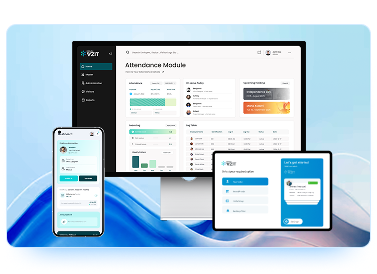
Try Convex vZit for free
Latest Blogs
What are the Signs Your Workplace Needs a Visitor Management System?
It is your time to upgrade to a smart visitor management system? At ConvexSol, we help enterprises modernize the experience of visitor reception with Convex vZi...
Read More On-Premises vs. Cloud-Based Visitor Management System – Choosing the Best
While on-premises visitor management systems are already there, cloud-based visitor management systems are rapidly becoming the preferred choice for progressive...
Read More
What Makes a Visitor Management System for Hospitals Essential Today?
Key Takeaways: Table of Contents What is a Visitor Management System? A Visitor Management System (VMS) is software-based technology, allowing businesses ...
Read More
What’s Next: 2025 Visitor Management Trends Every Business Should Know
In 2025, AI, IoT & contactless tech redefine visitor management with smarter, safer, personalized experiences and a clear edge for early adopters.
Read More What are the Signs Your Workplace Needs a Visitor Management System?
It is your time to upgrade to a smart visitor management system? At ConvexSol, we help enterprises modernize the experience of visitor reception with Convex vZi...
Read More On-Premises vs. Cloud-Based Visitor Management System – Choosing the Best
While on-premises visitor management systems are already there, cloud-based visitor management systems are rapidly becoming the preferred choice for progressive...
Read More